What a Fiberglass Pool Is—and Why It’s Gaining Ground
Picture a smooth, blue mirror tucked into your garden, a quiet rectangle that asks very little yet gives plenty of weekends back. That’s the appeal of a fiberglass swimming pool, a factory‑molded shell made from fiberglass‑reinforced plastic with a protective gelcoat. The shell is delivered in one piece, set into a prepared excavation, and connected to plumbing and equipment. Because the surface is non‑porous, it resists algae colonization more than many textured alternatives, which can translate to fewer scrubbing sessions and more reliable chemistry. For homeowners comparing pool types, the core questions are predictable: installation time, durability, maintenance effort, and cost over the long haul. Fiberglass checks many boxes—especially for those seeking predictability and a cleaner ownership curve.
How it’s built matters. Layers of fiberglass mat and resin create structural strength, while a gelcoat provides color, gloss, and a smooth finish underfoot. Many shells include added structural ribs or core materials that help the pool keep its shape when lifted and set. That controlled, off‑site manufacturing reduces weather risk during construction and supports consistent quality. In practical terms, installation commonly spans a few weeks once permits are in place, whereas more customized, site‑formed options can take much longer. The net effect is less disruption and a quicker first swim.
Homeowners often cite these advantages:
– Faster installations, frequently measured in weeks rather than months
– A smooth surface that feels comfortable and is easier to clean
– Factory consistency that reduces on‑site variables
– Embedded features such as steps, benches, or tanning ledges molded right into the shell
There are trade‑offs. Shapes and sizes are limited to the molds available, and crane access or tight yards can complicate delivery. Repairs to gelcoat are specialized work and color matching requires skill. Still, for many backyards, the balance feels right: predictable build schedule, moderate maintenance, and a well‑regarded finish that stays inviting season after season. If your priority is to swim sooner and spend less time on upkeep, fiberglass deserves a close look.
From Permit to Plunge: Installation Timeline and Site Realities
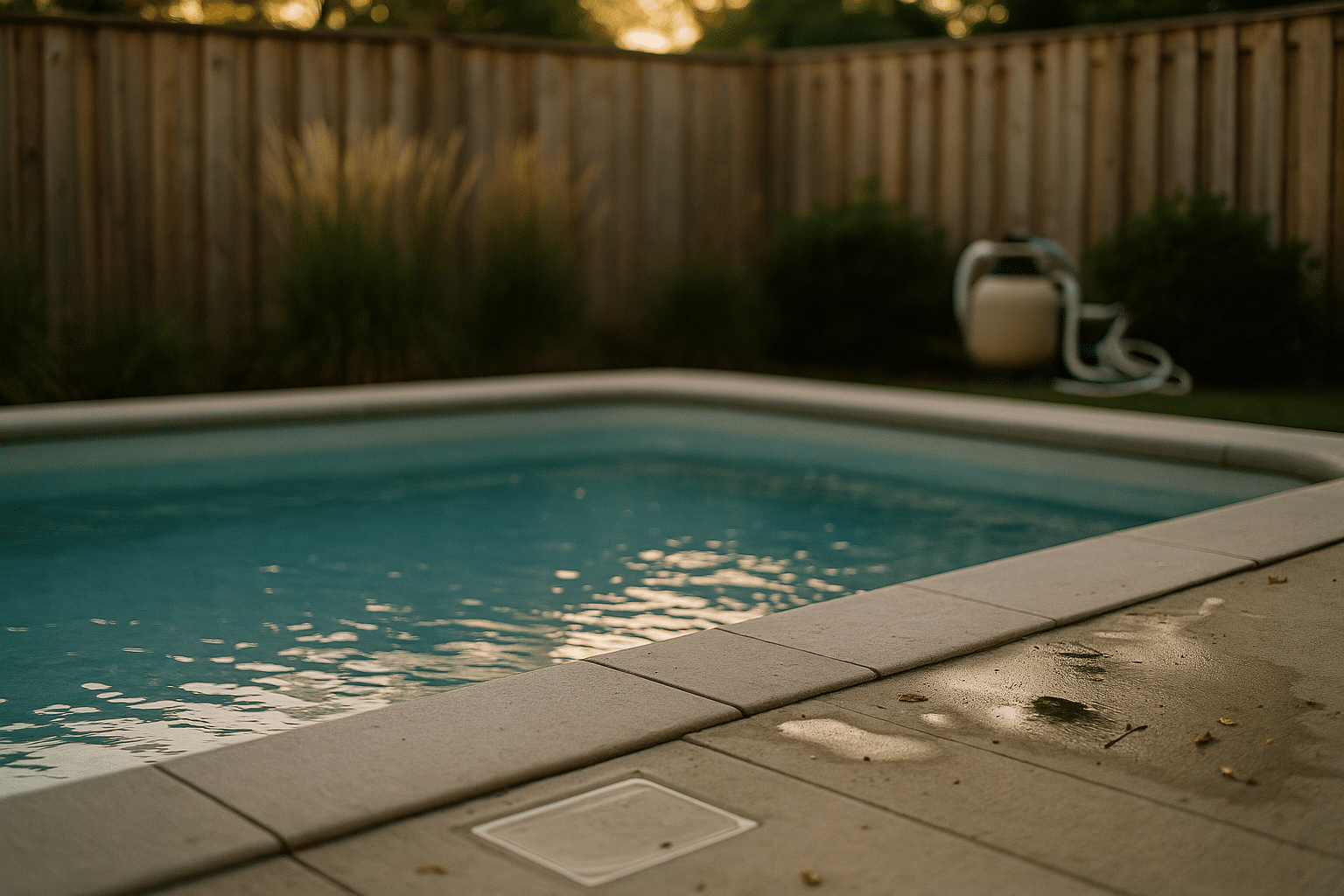
Every successful pool begins with paperwork and planning. Local codes dictate setbacks, barriers, drainage, and sometimes soil considerations. Expect a design review, permit application, and utility locates before any digging. Once the green light arrives, the sequence tends to be efficient: excavation, base preparation (often clean, compacted gravel), shell delivery and set with a crane, plumbing runs, hydraulic testing, backfilling in balanced lifts while filling the pool with water, equipment hookup, coping and decking, and final inspections. In steady weather and with an experienced crew, that workflow can move briskly.
Timelines vary with site constraints. A straightforward yard with wide access and stable soil may see the shell in the ground within a week, followed by one to three weeks of finish work. Add rain, high groundwater, limited access, or specialty decking, and you can tack on days or even a couple of extra weeks. One of the key success factors is groundwater management. Many projects include a temporary or permanent sump line near the deep end to relieve hydrostatic pressure; this helps keep the shell stable during construction and offers a way to manage water around the pool after storms. Granular backfill paired with careful compaction supports the walls and helps drainage, reducing the risk of settlement lines in decking later.
Ask your builder about the following site realities:
– Access: street width, crane setup area, overhead wires, and gate clearance
– Soils: expansive clays, organics, or fill material may require over‑excavation
– Water: seasonal high water tables and drainage paths that may call for sump lines
– Utilities: rerouting irrigation, gas, or electrical runs to accommodate equipment
– Structures: setbacks from property lines, septic systems, or easements
Expect a few inspections: pre‑pour for footings or bonding, plumbing pressure tests, and finally barriers and alarms as required. To keep momentum, align decisions early—tile bands, coping style, heater choice, and deck finish—so materials arrive on time. The reward for diligence is a tidy handoff: water up to level, equipment started and balanced, and a yard that looks like it was always meant to cradle a shimmering blue rectangle.
Costs, Budgeting, and Long‑Term Value
Costs hinge on size, site complexity, finishes, and regional labor rates. As a general orientation, many mid‑size fiberglass pools with basic decking and standard equipment fall into a broad installed range that can run from the mid‑five figures to higher six figures when enhanced with larger decks, fencing, automation, lighting, and water features. A realistic planning envelope for a typical suburban project might look like this: a core install price for the shell, excavation, plumbing, and equipment; plus line items for concrete or paver decking, electrical bonding, gas runs for heaters, fencing to meet code, and any retaining walls.
Ongoing ownership costs tend to be manageable, in part because the non‑porous surface doesn’t demand heavy chemical corrections. Typical annual spend for chemicals may sit in the low hundreds of dollars, depending on pool size and climate. Electricity for pumps and heaters can vary widely—think seasonal totals in the mid‑hundreds to over a thousand dollars depending on runtime, energy rates, and heater use. If you hire service, routine visits commonly range within moderate per‑visit fees, with more for openings, closings, or deep cleans. Heaters and automation raise convenience and cost; solar covers can trim heat loss and evaporation for a modest outlay.
Long‑term value emerges in avoided resurfacing and liner changes. Vinyl owners often plan for liner replacements roughly every 7–10 years at a few thousand dollars each time. Plaster owners budget resurfacing that can reach into five figures depending on pool size and finish. Fiberglass shells don’t have liners to replace and don’t rely on cementitious interiors, so there’s no surface etching; however, gelcoat can fade or show cosmetic wear over long horizons, and professional touch‑ups or recoating, while infrequent, are specialized services. Many owners find that total cost of ownership over a decade compares favorably against alternatives, especially when factoring reduced chemical demand and cleaning time.
To budget with clarity:
– Build a line‑item estimate for install, utilities, decking, fencing, and landscape restoration
– Set a contingency (10–15%) for surprises like rock, drainage fixes, or added hardscape
– Estimate annual energy and chemical costs based on pool volume and climate
– Weigh optional features by usage frequency; invest where your family will feel it most
Resale influence varies by region. In warm‑weather markets with long swim seasons, a well‑kept pool can enhance marketability and add measured value; in colder regions, value is more tied to design quality and maintenance records. Either way, a tidy equipment pad, clear documentation, and safe barriers signal care—and that helps when it’s time to list.
Care and Maintenance: Water Chemistry, Surfaces, and Seasonal Routines
A little routine beats a big rescue. With fiberglass, the playbook is simple: test water, keep debris at bay, and let equipment do its steady work. Because the gelcoat is non‑porous, it’s more forgiving when you miss a day, but consistent chemistry protects the surface’s gloss and keeps water clear.
Core water targets commonly recommended by pool professionals:
– pH: 7.2–7.6 for swimmer comfort and sanitizer efficiency
– Total Alkalinity: 80–120 ppm to buffer pH drift
– Calcium Hardness: roughly 175–225 ppm for fiberglass (lower than plaster needs)
– Free Chlorine: 1–3 ppm for standard chlorination; follow manufacturer guidance for salt systems
– Cyanuric Acid: 30–50 ppm for liquid or tablet chlorination; 60–80 ppm often used with salt systems
Use a reliable test kit weekly and adjust in small steps. A nylon brush and soft vacuum head are your friends; avoid metal bristles that can scratch gelcoat. Skim leaves before they sink and stain. If metals in source water cause tinting, a sequestering agent can help; spot stains sometimes lift with targeted treatments. Scaling along the waterline often traces back to high pH, high calcium, warm water, and evaporation—nip it with balanced water and gentle cleaning. When shocking, follow dosage directions and circulate thoroughly before swimmers return.
Equipment care is straightforward. Clean pump baskets, backwash or rinse filters as directed, and keep an eye on pressure gauges for signs of clogging. Variable‑speed pumps let you tune flow to save energy while maintaining turnover. If you use a heater, purge air after service and maintain clearances. Robotic cleaners pair well with smooth surfaces and can slash manual work.
Seasonal routines matter. In freezing climates, close the pool by lowering water to appropriate levels, blowing out and plugging lines, adding winter chemicals, and securing a safety cover. In spring, remove debris carefully, top up water, prime equipment, and balance chemistry in stages. After severe storms, test and correct chlorine and pH promptly and clean out organics to avoid long algae battles. Keep records—simple logs of readings and adjustments help spot trends before they become chores.
The payoff is tangible: many fiberglass owners report weekly care in minutes rather than hours once the system is dialed in. It’s still a living body of water, but the surface and hydraulics do more of the heavy lifting, leaving you to enjoy the ripple and the quiet.
Design Choices, Comparisons, and a Smart Buyer’s Checklist
Design sets the mood. Fiberglass catalogs offer rectangles for lap lovers, soft curves for organic landscapes, and compact plunge pools for tight lots. Steps, benches, and safety ledges are often molded in, giving you usable seating without extra construction. Color choices range from pale blues to deeper hues that mirror the sky; darker tones can feel like a reflective pond and may warm slightly faster under sun. Tanning ledges invite loungers and toddlers alike, but check depth and slope for your needs. Pair the shell with coping and deck materials that fit your climate—textured concrete, pavers, or natural stone each change the look underfoot and influence heat buildup.
Comparing pool types clarifies trade‑offs. Fiberglass prizes speed, predictable finishes, and gentler maintenance. Site‑built concrete excels at custom shapes, extra‑deep ends, and fully bespoke features, but usually takes longer and demands more chemistry attention. Vinyl can be budget‑friendly upfront and feels soft underfoot; however, liners are more vulnerable to punctures and eventual replacement. Insulation claims are often overstated in casual conversation; while fiberglass has some inherent thermal properties due to thickness and backfill, heat retention still depends far more on covers, wind exposure, and heater strategy. The practical differences most owners notice revolve around surface feel, algae resistance, and how quickly the pool is ready to enjoy.
Before you sign, use this checklist:
– Verify licensing, insurance, and recent references; see recent jobs in person if possible
– Review shell specifications: thickness, ribbing, and documented installation guidelines
– Ask about backfill (clean, angular gravel is commonly preferred) and compaction method
– Confirm groundwater strategy: sump lines, hydrostatic relief measures, and drainage
– Discuss plumbing (pipe size, number of returns, skimmer placement) and equipment layout
– Understand warranties: separate coverage for structure, surface/gelcoat, and equipment
– Align on decking scope, expansion joints, and grading to steer surface water away
– Get a written schedule with key milestones and inspection points
Final take: a fiberglass pool suits homeowners who value a streamlined build, a clean‑feeling surface, and steadier upkeep. It’s not a one‑size answer—yards with extreme access limits or highly bespoke designs may lean another way—but for many families, it delivers a grounded mix of comfort and control. Choose a reputable builder, keep your chemistry steady, and your backyard water will become the reliable retreat you pictured on day one.