Why a 14-Day Cruise Fits Well for American Travelers
A two-week voyage strikes a practical balance for working professionals and families in the United States. It allows enough time to cross the Drake Passage twice, spend several days exploring the Antarctic Peninsula, and include stops in the South Shetland Islands—without requiring an extended leave of absence. Most departures occur during the Antarctic summer (November to March), when daylight lasts longer, sea ice retreats, and wildlife activity peaks. Many itineraries include Ushuaia as both embarkation and disembarkation port, simplifying return flights back to major U.S. hubs such as Miami, Dallas, Atlanta, or Los Angeles.
These cruises generally carry 100–200 passengers, creating a more intimate atmosphere compared to larger vessels. Smaller ships navigate narrower channels and reach smaller landing sites more easily. Zodiac operations—small, inflatable boats used for shore landings—become the primary way to step onto the continent, walk among penguins, and observe seals and whales up close.
Typical 14-Day Itinerary Overview
Day 1–2: Arrival in Buenos Aires & Flight to Ushuaia
Most American passengers arrive in Buenos Aires a day or two early to adjust to the time zone and explore the city. A domestic flight to Ushuaia follows, where the ship awaits. Embarkation usually occurs in the afternoon, allowing time to settle into the cabin and attend a mandatory safety briefing.
Day 3–4: Drake Passage Crossing
The two-day voyage across the Drake Passage is often the most talked-about segment. Weather and sea conditions vary widely; some crossings are calm, others feature rolling swells. Lectures on Antarctic wildlife, geology, history, and photography help passengers prepare for what lies ahead. Naturalists, biologists, historians, and professional photographers lead these sessions.
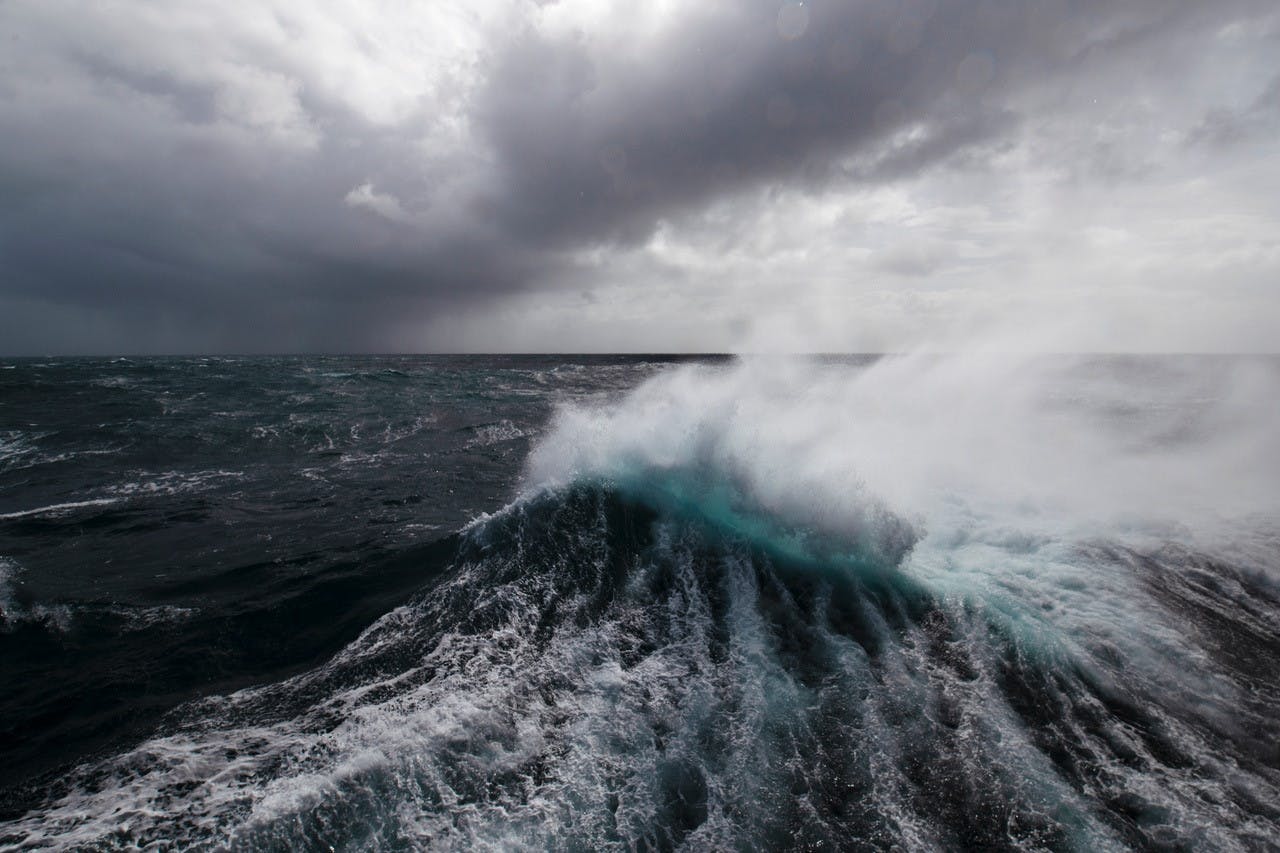
How Crossing the Drake Passage Transports You to Another World …
Day 5–10: Antarctic Peninsula & South Shetland Islands
The heart of the journey unfolds here. Ships typically make landings or Zodiac cruises at several locations each day, weather permitting. Common sites include:
- Paradise Harbour — calm waters surrounded by glaciers and mountains
- Port Lockroy — historic British base now operating as a museum and post office
- Neko Harbour — gentoo penguin colony with glacier backdrop
- Deception Island — volcanic caldera with geothermal areas
- Half Moon Island — chinstrap penguin rookery and scientific station
- Cuverville Island — large gentoo colony and whale-watching opportunities
Each landing offers 1.5–3 hours ashore. Passengers walk designated paths, observe breeding colonies, and photograph ice formations. Zodiac cruises navigate among icebergs, search for leopard seals, humpback whales, and orcas, and approach penguin groups from the water.
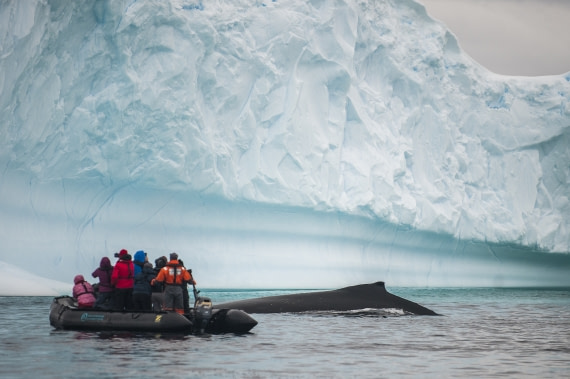
A Day of Whale Watching in Antarctica
Day 11–12: Additional Antarctic Exploration or Falkland Islands
Depending on the operator and weather, the itinerary may include more Peninsula landings or divert toward the Falkland Islands (Islas Malvinas). Stanley, the capital, provides a chance to see king penguins, explore local history, and visit a small museum. This option adds variety and serves as a buffer if Drake Passage conditions delay the schedule.
Day 13–14: Drake Passage Return & Disembarkation in Ushuaia
The return crossing gives time for final lectures, photo-sharing sessions, and a captain’s farewell dinner. Disembarkation occurs early morning, followed by a transfer to Ushuaia airport for flights back to Buenos Aires and onward connections to the United States.
Wildlife Encounters That Define the Experience
Antarctica offers one of the planet’s most concentrated wildlife viewing opportunities during the summer breeding season. Gentoo, chinstrap, and Adélie penguins dominate many landing sites, often approaching within a few feet. King penguins appear on select itineraries that include South Georgia (though most 14-day cruises focus on the Peninsula). Humpback and minke whales surface frequently during Zodiac cruises, sometimes approaching boats curiously. Leopard seals patrol near penguin colonies, while Weddell and crabeater seals haul out on ice floes. Seabirds—albatrosses, petrels, skuas, and terns—fill the skies throughout the voyage. Experienced expedition leaders provide context about behaviors, conservation status, and the fragile balance of this ecosystem.


Onboard Life During a 14-Day Voyage
Modern expedition ships feature comfortable cabins ranging from porthole-equipped interior rooms to suites with private balconies. Public areas include a main lounge for lectures, a dining room serving buffet and plated meals, a library, small gym, sauna, and outdoor viewing decks. Meals emphasize fresh ingredients with international and regional influences; special dietary requests are usually accommodated when notified in advance. Internet access remains limited and expensive due to satellite coverage; many passengers disconnect for the duration. Daily recaps and briefings occur each evening, summarizing sightings, explaining the next day’s plan, and answering questions.
Practical Considerations for U.S. Travelers
Flights from major U.S. cities to Buenos Aires typically involve one or two connections (e.g., via Miami, Dallas, or Atlanta). Travelers should allow at least one buffer day in Buenos Aires before the Ushuaia flight to account for possible delays. Visas are not required for U.S. citizens for stays under 90 days in Argentina or for Antarctic landings. Travel insurance covering emergency medical evacuation is strongly recommended due to the remote location and limited medical facilities. Packing lists usually include waterproof outer layers, insulated mid-layers, sturdy waterproof boots (often provided onboard), gloves, hats, sunglasses, and high-SPF sunscreen. Layering remains essential as temperatures can range from the 20s°F to the mid-40s°F on sunny days.
Environmental & Regulatory Framework
All Antarctic tourism operates under strict guidelines set by the International Association of Antarctica Tour Operators (IAATO) and the Antarctic Treaty System. Passenger numbers per landing are limited, wildlife approach distances are enforced, and no food, litter, or foreign material may be left ashore. Expedition teams brief passengers thoroughly on these rules before every landing. Many operators participate in citizen-science programs, allowing guests to collect data on penguin populations, whale sightings, or glacial retreat—contributing to ongoing research.
Final Thoughts
A 14-day Antarctic cruise offers American travelers a realistic yet deeply immersive way to experience the White Continent. The combination of dramatic scenery, abundant wildlife, expert-guided landings, and onboard comfort creates a journey that remains memorable long after returning home. With departures concentrated in the austral summer, planning ahead ensures availability and smooth logistics from U.S. departure cities to the bottom of the world.