Recommendation systems are designed to help users discover relevant content efficiently. Over time, however, many users notice that platforms begin to feel repetitive, predictable, and surprisingly narrow. This is not an accident or a flaw in implementation—it is a structural outcome of how modern recommendation systems are optimized. This article examines the specific mechanisms that cause exploration to shrink, how feedback loops form, and why these systems naturally converge toward behavioral lock-in.

Month: January 2026
Why You Feel Tired, Hungry, or Foggy After Eating: The Overlooked Mechanics of Insulin Resistance
Many people experience fatigue, brain fog, or renewed hunger shortly after eating, even when meals are not excessive. These symptoms are often attributed to poor sleep, stress, or lack of willpower. In reality, they frequently reflect early-stage insulin resistance—a metabolic dysfunction that develops quietly long before diabetes is diagnosed. This article examines how insulin resistance actually works, why it produces confusing daily symptoms, and why it is so commonly missed in routine medical care.
Why Your Website Still Feels Slow Even With Caching: A Deep Dive Into Browser and CDN Cache Behavior
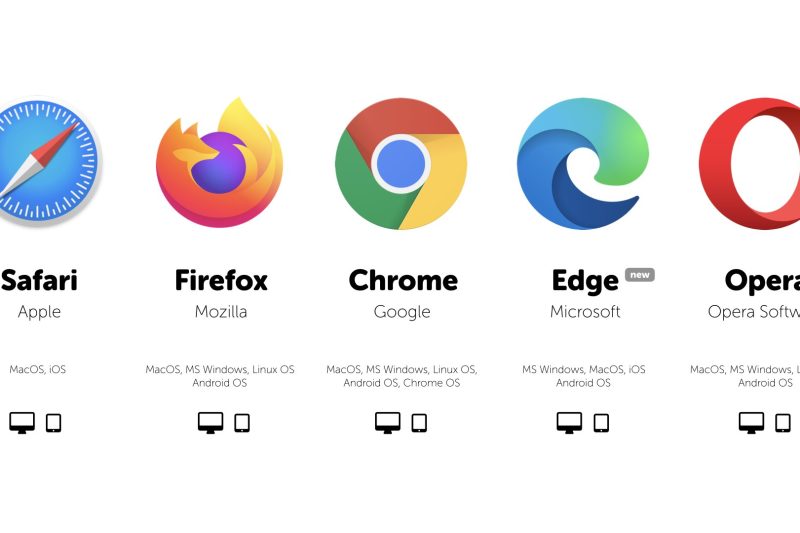
Many websites enable caching but still suffer from slow load times, inconsistent performance, or unexpected cache misses. The problem is rarely “cache not enabled,” but rather how different caching layers—browser, CDN, and origin server—interact in practice. This article dives into the mechanics of HTTP caching, explaining why common configurations fail, how cache decisions are actually made, and where performance silently breaks down.
Why You Can Sleep for Eight Hours and Still Wake Up Exhausted: A Closer Look at Sleep Apnea
Many people assume that persistent fatigue is caused by stress, aging, or lack of sleep. However, a significant number of individuals sleep for adequate hours and still wake up feeling unrefreshed. One overlooked reason is sleep apnea, a condition that disrupts breathing during sleep and prevents the body from entering truly restorative rest. This article examines how sleep apnea works, why it often goes undiagnosed, and how it silently affects daily energy, cognition, and long-term health.